


Independent Damp Surveys in Bromley, London & Kent
Identifying the true source of moisture through 50 years of family-run RICS expertise.
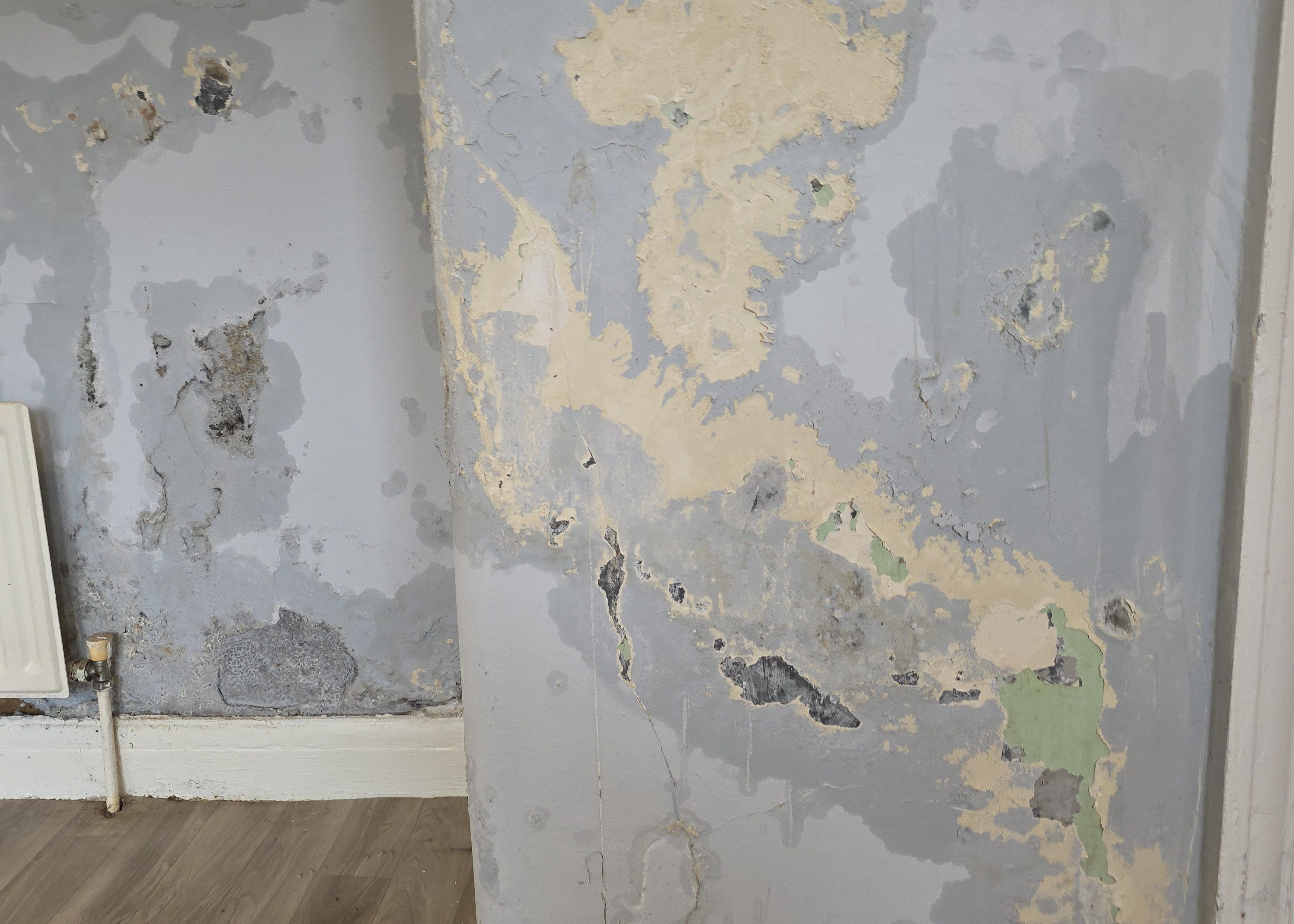
At Kellys Chartered Building Surveyors, we provide independent damp surveys and clear remedial recommendations across London, Kent, Sussex, and Essex. Whether you are dealing with recurring mould, deteriorated plaster, or managing a tenant disrepair enquiry, we deliver an objective technical investigation to establish the root cause of the problem.
We are Chartered Building Surveyors, not a damp proofing company. We sell no chemical treatments, supply no materials, and undertake no contracting work. Our sole objective is to give you an impartial assessment based on sound building construction principles, ensuring you only spend money on repairs that are genuinely necessary.
How We Identify Your Damp Problem
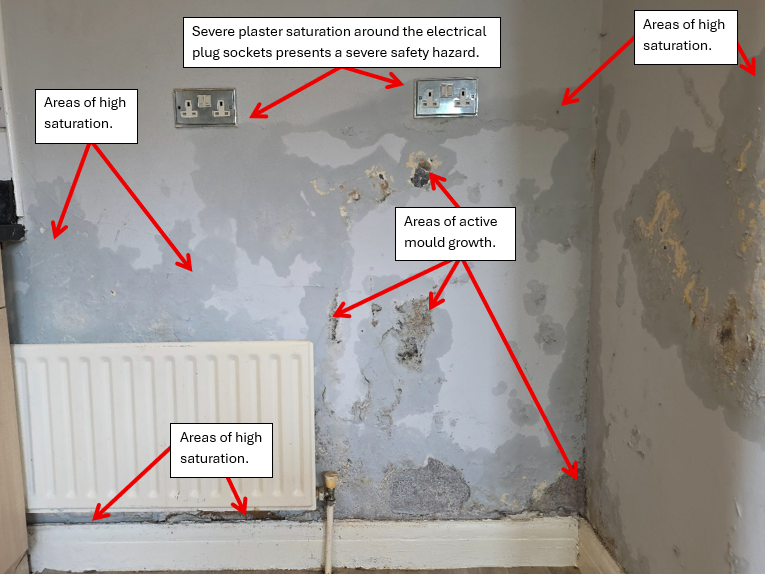
Moisture ingress is frequently misdiagnosed. Surface symptoms often point to a completely different defect once investigated through proper building pathology.
Our surveys follow the joint inspection methodology established by RICS, Historic England, and the Property Care Association, systematically differentiating between the three primary causes:
1. Condensation and Mould
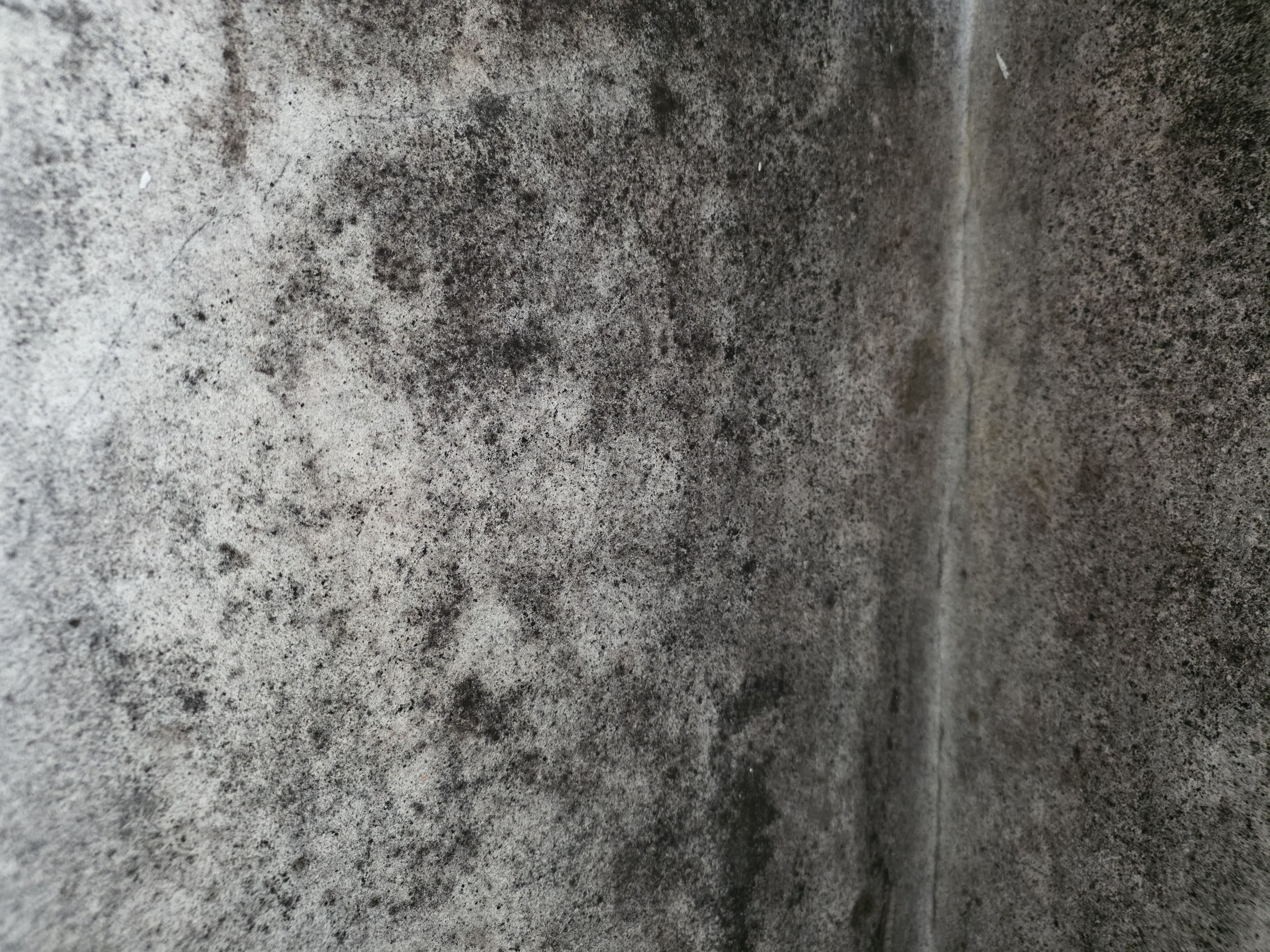
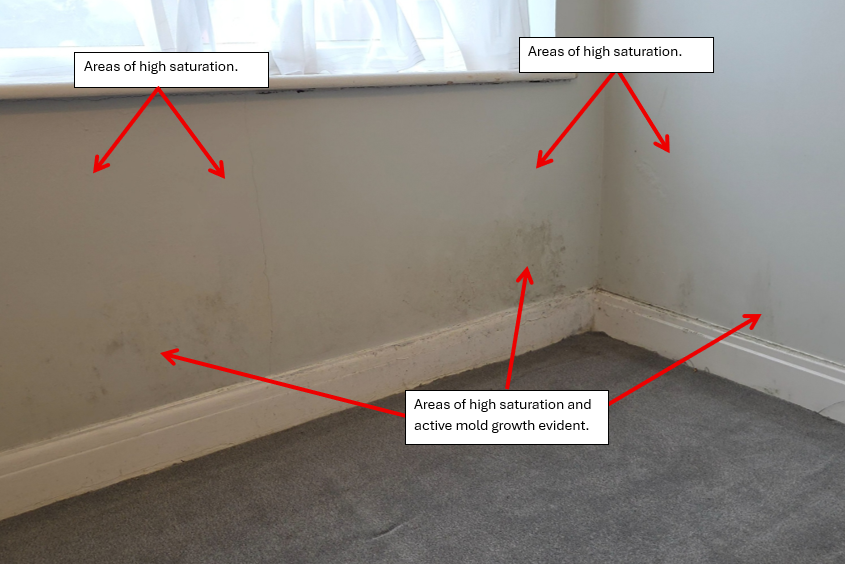
The most common cause of internal dampness. We assess room ventilation, wall temperatures, and thermal bridging to eliminate persistent black mould growth and surface condensation.
2. Penetrating Damp and Wall Breathability
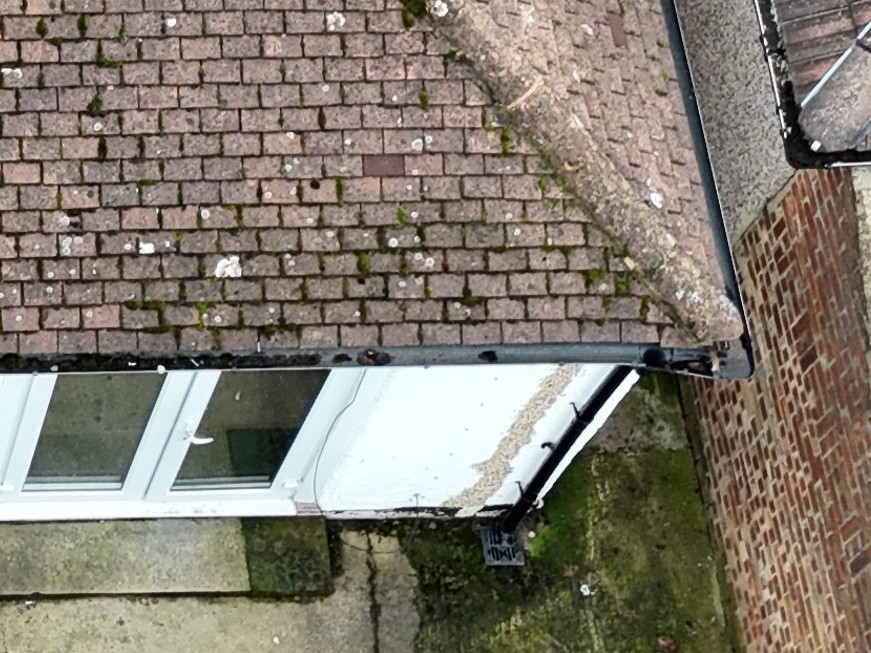
Caused by external defects such as leaking gutters, cracked downpipes, deteriorated pointing, or fractured render. In older Victorian and Edwardian solid brick properties, we check whether modern impermeable cement renders or impermeable masonry paints have trapped moisture inside breathable masonry.
3. Rising Damp, High Ground Levels and Subfloor Ventilation
Low-level dampness is frequently caused by external ground levels, driveways, or patios being built up too high over the years, bridging the physical damp-proof course. In properties with suspended timber ground floors, restricted cross ventilation from covered or blocked air bricks can also trap damp air beneath floorboards, leading to decayed joists. We inspect external ground clearances and subfloor airflow to determine the true cause.
Identifying the Root Cause of Your Damp Problem
A successful repair starts with finding exactly where and why water is entering the building fabric. Treating surface staining alone without addressing the source guarantees that moisture will return.
During our on-site investigation, we pinpoint the underlying failure:
1. Pinpointing Concealed Moisture Sources
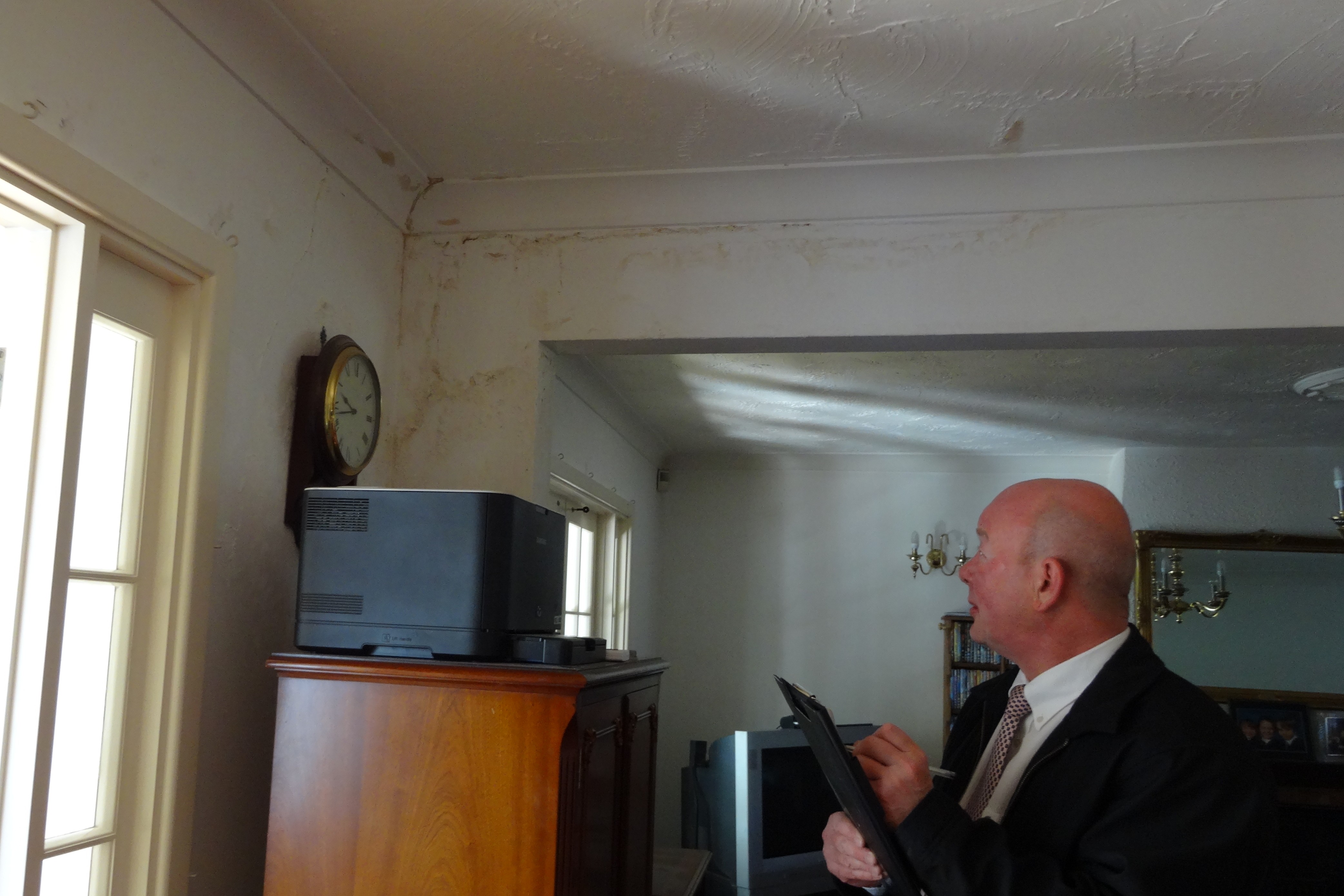
Through visual inspection and physical defect symptoms, we track active water pathways, whether caused by hidden plumbing leaks, drainage failures, or external masonry defects.
2. Practical Use of Moisture Meters
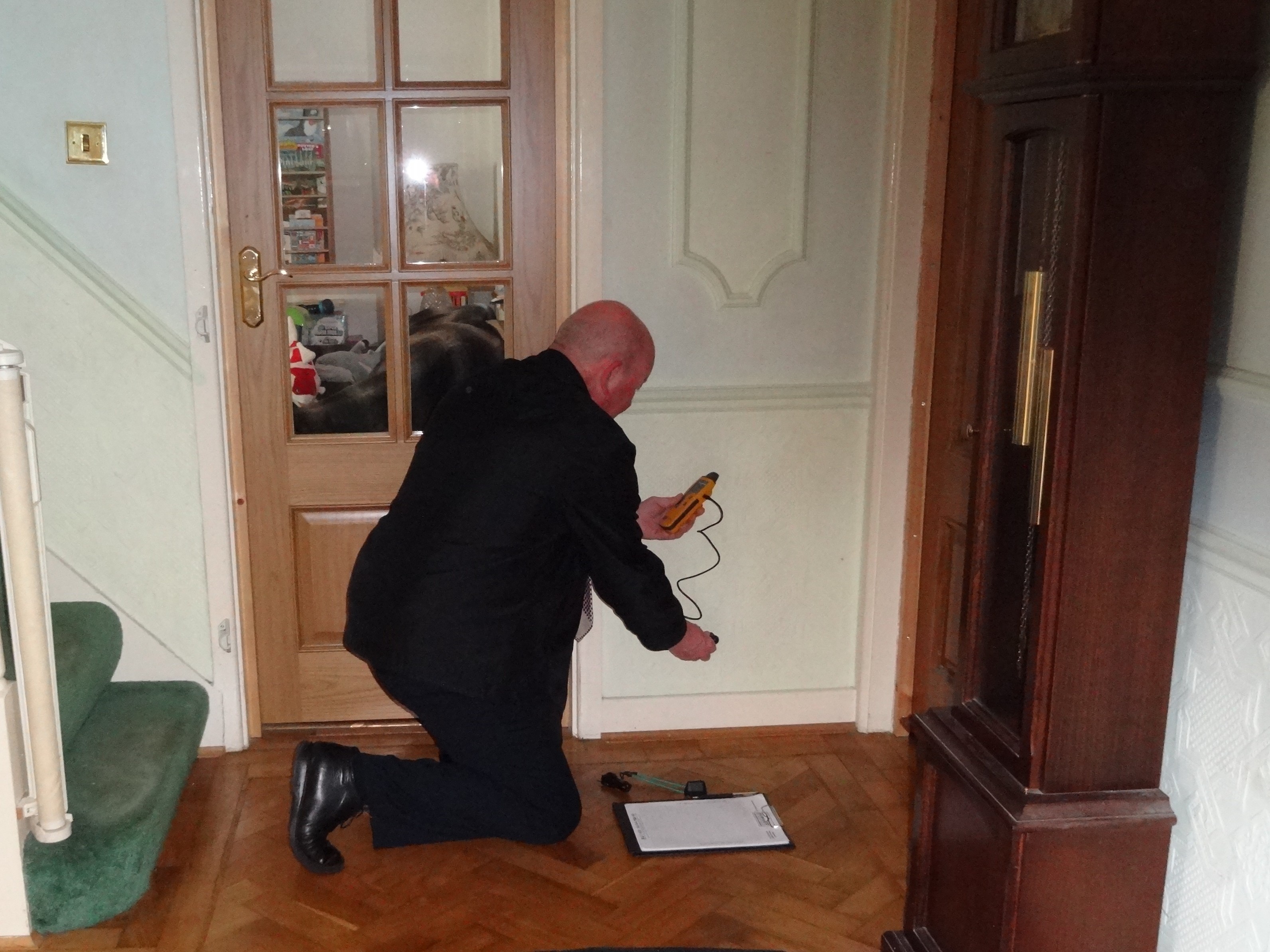
We use an electronic moisture meter as an on-site guide to check whether dampness in timbers is active or historic, alongside taking comparative readings on wall plaster to assess relative damp levels.
3. Outline CAD Floor Plans with Moisture Locations
We prepare an outline CAD floor plan using principal room dimensions to plot our moisture meter readings. This maps whether dampness is isolated or continuous along affected walls, providing a clear visual record.
Your Damp Survey Report
Following our on-site inspection, we provide a clear, comprehensive survey report. The report details:
• The specific defects identified at your property
• The underlying cause of the moisture ingress
• Clear, outlined recommendations on the repairs needed to rectify the issue
For many property owners and buyers, this written guidance provides all the clarity needed to understand the problem and plan their next steps.
Optional Schedule of Works for Contractor Tendering
If you would like us to assist you further after the initial survey, we can prepare a formal Schedule of Works as an additional service.
Every building is different, and the required repairs vary depending on the age, construction, and specific defects of the property. An itemised Schedule of Works details the exact scope of repairs and materials required.
Having a formal specification allows you to put the works out to tender to competent local building contractors. By obtaining three like-for-like quotes on identical terms, you can compare prices fairly and select the most suitable contractor for the job.
Working Alongside Building Contractors
Achieving a lasting repair requires an accurate diagnosis followed by skilled construction work.
Kellys Chartered Building Surveyors act strictly as independent technical consultants. By establishing the genuine source of the defect, we ensure contractors are not called out to apply costly treatments to symptoms caused by simple maintenance issues.
Where we are instructed to prepare a Schedule of Works, we provide trusted local contractors with an exact scope to follow. This allows trades to price the job accurately, prevents unexpected variations, and ensures their craftsmanship resolves the problem properly.
Where moisture damage stems from a sudden burst pipe or flood event, please see our dedicated [Water Damage Reinstatement] service page for insurance claim assistance.
Frequently Asked Questions
Will the damp inspection require opening up walls or lifting floorboards?
Our standard investigation is non-intrusive. We assess the property through visual inspection, external checks, subfloor ventilation reviews, and surface moisture testing. If timber decay or subfloor defects are suspected beneath fixed floor coverings, we will advise you whether opening up is recommended and agree on this beforehand.
Can an independent damp report assist with landlord and tenant disputes?
Yes. We compile objective, evidence-based reports for property owners, landlords, and legal advisers. By determining whether dampness is caused by external structural defects, plumbing leaks, or internal environmental factors, our reports provide clear, independent documentation to help resolve disrepair matters.
Is chemical damp proofing always necessary?
In traditional solid-wall properties, low-level moisture is often caused by external defects rather than a failure of the damp-proof course. High ground levels bridging the damp-proof course, blocked air bricks, cracked render, or leaking rainwater pipes are common causes. Addressing these issues and allowing the masonry to dry out naturally often resolves the dampness without the need for chemical treatments.
What is the purpose of the CAD floor plan?
The outline CAD plan provides a clear visual layout of the property, showing the main room boundaries and highlighting the recorded locations of dampness along the walls. Rather than relying on written descriptions alone, this gives you a straightforward reference showing whether moisture is widespread or isolated to specific areas.
Speak to a Chartered Building Surveyor Today
If you are dealing with persistent dampness, mould, or an unverified damp report, contact Kellys Chartered Building Surveyors today.
Call our office on 0208 466 0717, reach us on mobile at 07774 183 250, or request a callback using our enquiry form below to discuss your property with a surveyor.